

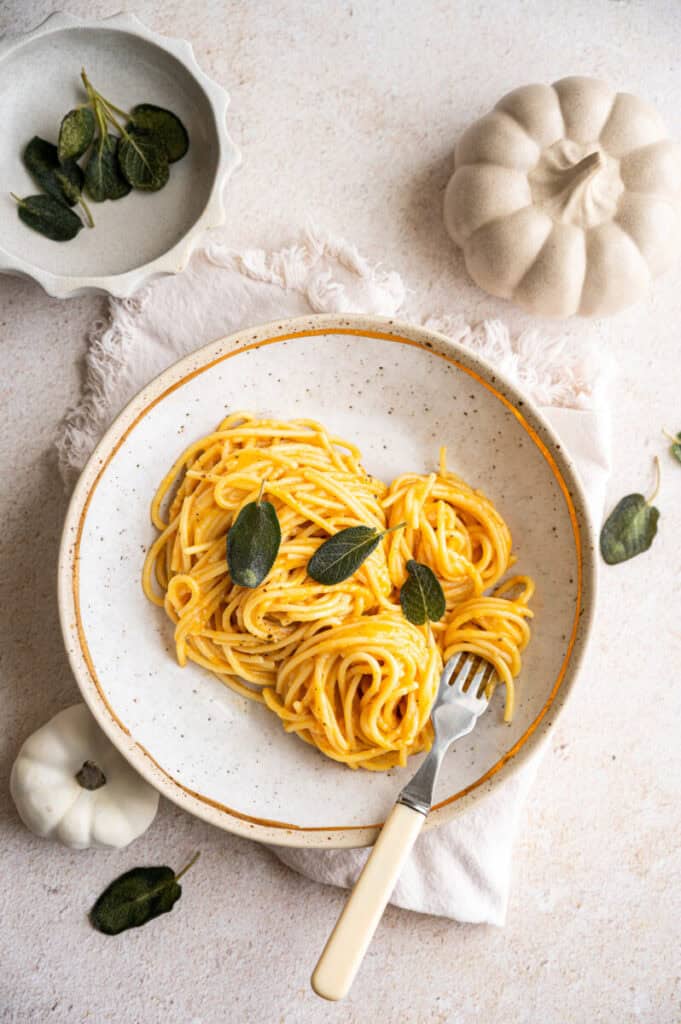
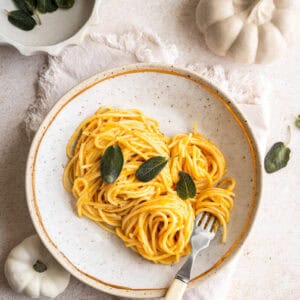
This Pumpkin Cacio e Pepe is creamy, cheesy, peppery, and packed with cozy fall flavor. Pumpkin puree gives the sauce a smooth, silky texture, while Pecorino Romano and plenty of freshly cracked black pepper keep the classic cacio e pepe flavor front and center. Finished with crispy sage, this easy 30-minute pasta is perfect for a weeknight dinner or a simple fall dinner party.
As a cookbook author and professional recipe developer, I'm always looking for ways to make weeknight pasta feel a little more special without adding a long list of ingredients or extra steps. This recipe does exactly that. It comes together in just 30 minutes with a handful of ingredients, but the silky pumpkin and Pecorino sauce feels restaurant-worthy.
The crispy sage on top is technically optional, but I love the way it adds a savory fall flavor and a little texture to every bowl. This is a great pasta for a cozy weeknight dinner, but it's also pretty enough to serve for a fall dinner party.
If you love cozy pasta recipes, try my Creamy Pumpkin Pasta Carbonara, Gnocchi Gorgonzola, or Creamy Pancetta Pasta with Peas and Mushrooms next.
Jump to:
Why You'll Love This Pasta
- Ready in 30 minutes. This pumpkin cacio e pepe is easy enough for a weeknight when you want something comforting without spending all night in the kitchen.
- Simple ingredients. Pasta, pumpkin, Pecorino Romano, butter, black pepper, and pasta water come together to make an incredibly silky sauce.
- Perfect for fall. Pumpkin and crispy sage give traditional cacio e pepe a seasonal twist without overpowering the classic cheesy, peppery flavor.
- Creamy without heavy cream. Pumpkin puree and starchy pasta water create a creamy texture without adding cream to the sauce.
- Easy but elevated. It feels special enough for date night or entertaining but requires very little prep.
Ingredients
Here are the ingredients you'll need for this pumpkin cacio e pepe:
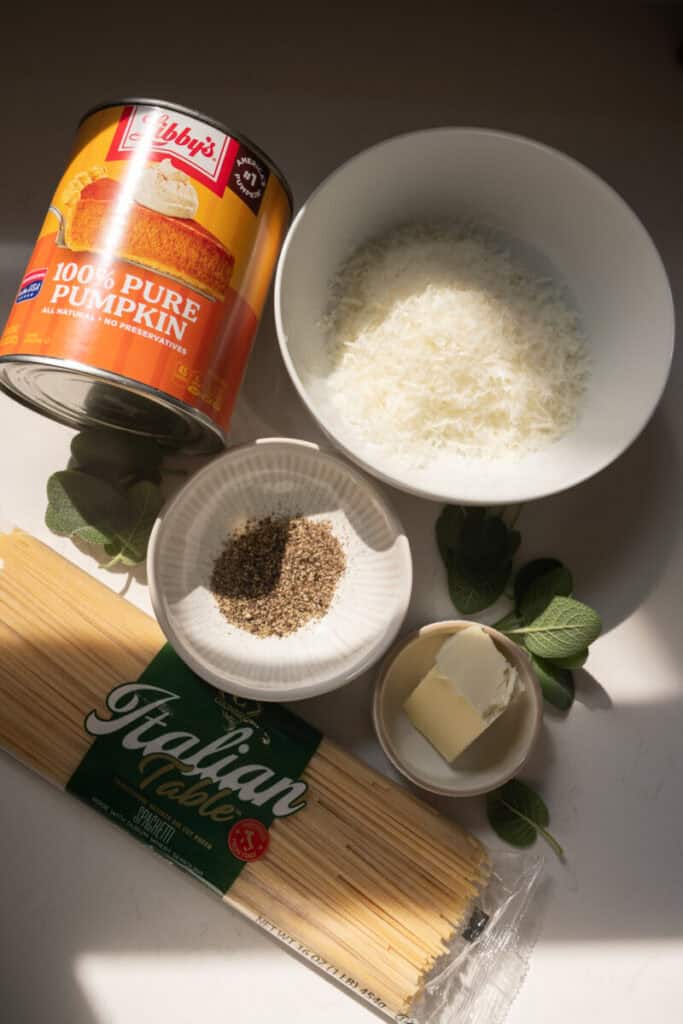
- Bucatini or spaghetti: Either works well here. I especially love bucatini because the thick noodles hold onto the creamy sauce so well.
- Unsalted butter: Butter creates the base of the sauce and helps bloom the black pepper.
- Freshly cracked black pepper: Freshly cracked pepper is essential for cacio e pepe. It has a much stronger flavor and aroma than pre-ground pepper.
- Pumpkin puree: Make sure you use pure pumpkin puree and not pumpkin pie filling. The pumpkin makes the sauce extra silky while adding a subtle earthy sweetness.
- Pecorino Romano cheese: Pecorino Romano has the salty, sharp flavor that defines cacio e pepe. Finely grating it will help it melt smoothly into the sauce.
- Pasta water: Starchy pasta water helps loosen the sauce and emulsify the Pecorino into a smooth, glossy coating.
- Crispy sage leaves: These are optional, but they add so much flavor and make this pasta feel especially perfect for fall.
How to Make Pumpkin Cacio e Pepe
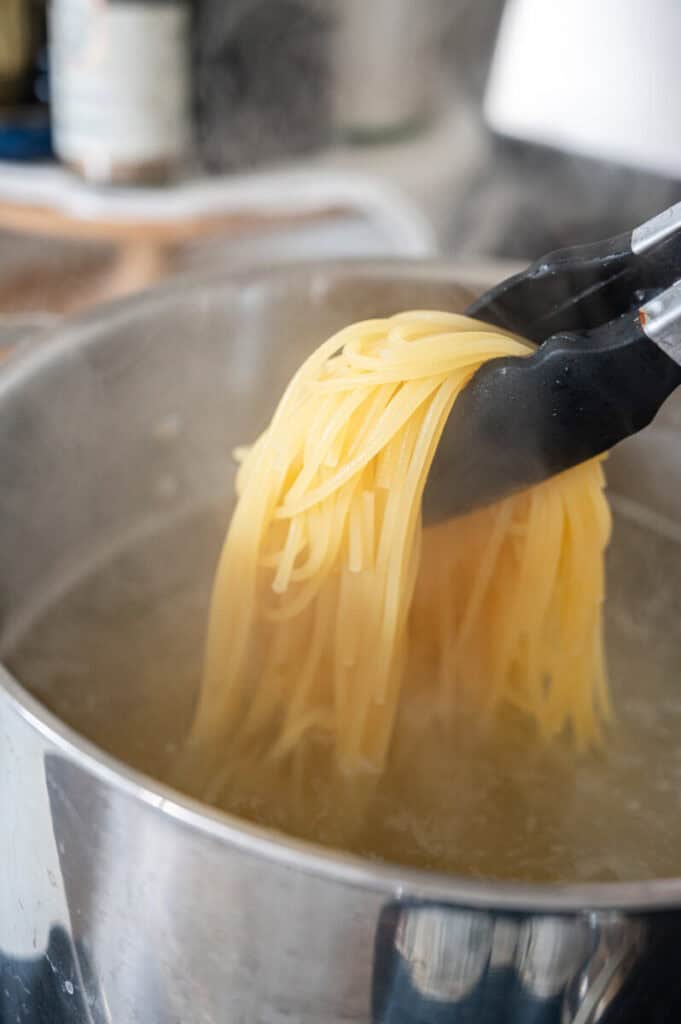
Cook the pasta
Bring a large pot of lightly salted water to a boil. Cook 1 pound of bucatini or spaghetti until just shy of al dente. Before draining, reserve about 1 ½ cups of the pasta cooking water.
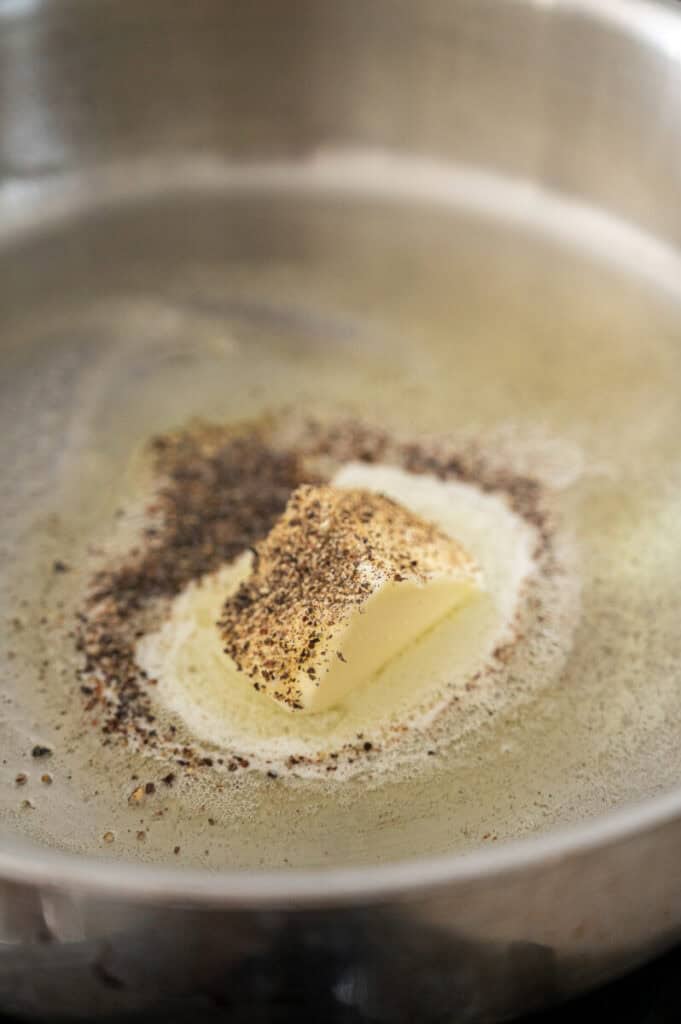
Toast the pepper
While the pasta cooks, melt 3 tablespoons unsalted butter in a large skillet over medium-low heat. Add 1 teaspoon freshly cracked black pepper and cook for 30 to 60 seconds, stirring frequently, until fragrant.
Stir in 1 cup pumpkin puree and cook for 1 to 2 minutes, until smooth and slightly deepened in color. Add ½ cup of the reserved pasta water and stir until combined.
Toss
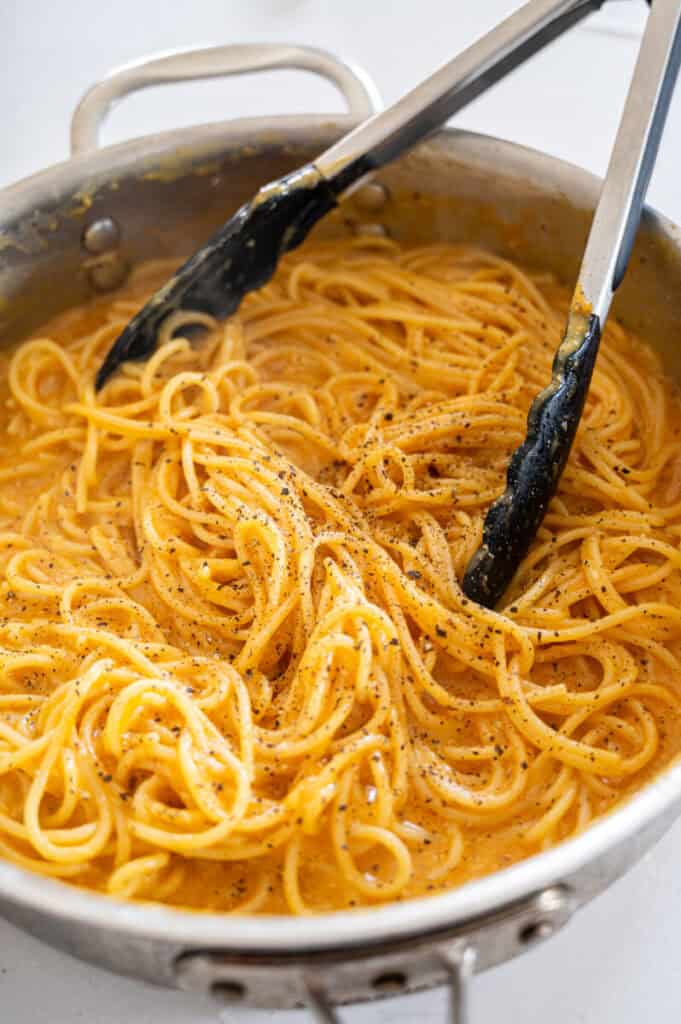
Add the drained pasta to the skillet and toss until evenly coated in the pumpkin mixture. Cook for about 1 minute, adding another splash of pasta water if the sauce looks too thick.
Remove the skillet from the heat. Gradually add 1 ¼ cups finely grated Pecorino Romano, tossing constantly so the cheese melts evenly into the sauce. Add more pasta water a few tablespoons at a time as needed until the sauce is smooth, glossy, and clings to the pasta.
Serve
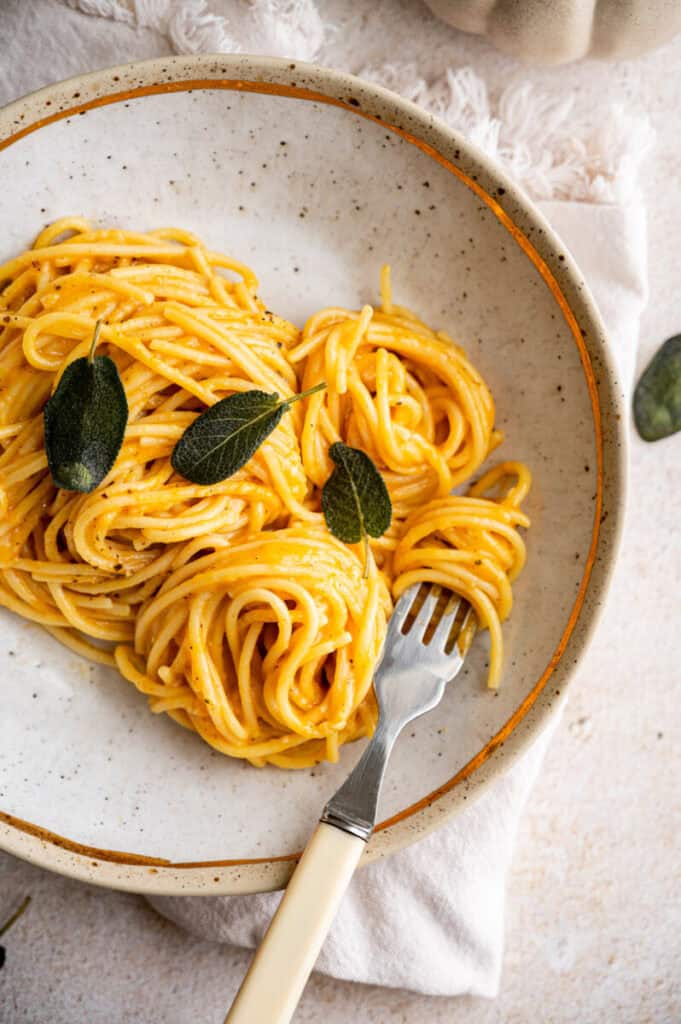
Divide between bowls and finish with more Pecorino Romano, freshly cracked black pepper, and crispy sage leaves.
Tina's Tips for the Best Cacio e Pepe
- Finely grate the cheese. The finer the Pecorino Romano is grated, the more easily it will melt into the pasta sauce.
- Remove the skillet from the heat before adding the cheese. If the pan is too hot, Pecorino can clump or become stringy instead of melting into a smooth sauce.
- Add the cheese gradually. Adding a little Pecorino at a time while constantly tossing gives you much more control over the sauce.
- Save plenty of pasta water. You might not need the entire 1 ½ cups, but it's much better to have extra. The pasta will continue absorbing sauce as it sits.
- Go easy on the salt. Pecorino Romano is naturally quite salty, so lightly salt the pasta water rather than seasoning it as heavily as you would for other pasta dishes.
- Serve immediately. Like traditional cacio e pepe, this pasta is at its creamiest right after you make it.
Substitutions and Variations
- Pasta: Bucatini and spaghetti are my favorites, but tonnarelli, linguine, or another long pasta will work.
- Cheese: I recommend sticking with Pecorino Romano for the best cacio e pepe flavor. Parmesan is milder and will change the flavor of the dish.
- Pumpkin: Use canned pure pumpkin puree for the easiest preparation. Homemade pumpkin puree can work, but the moisture level can vary, so you may need to adjust the amount of pasta water.
- Sage: If you don't want to make crispy sage, simply leave it off. The pasta is still delicious with extra black pepper and Pecorino on top.
- Add some heat: A pinch of red pepper flakes can be toasted with the black pepper if you want a little kick.
Storage and Reheating
- Store leftover pumpkin cacio e pepe in an airtight container in the refrigerator for up to 3 days.
- Because the sauce is made with cheese and pasta water, it will thicken considerably once refrigerated. Reheat it gently in a skillet over low heat with a splash of water to help loosen the sauce.
- I don't recommend freezing this recipe. The Pecorino-based sauce can become grainy once frozen and reheated.
What to Serve with Pumpkin Cacio e Pepe
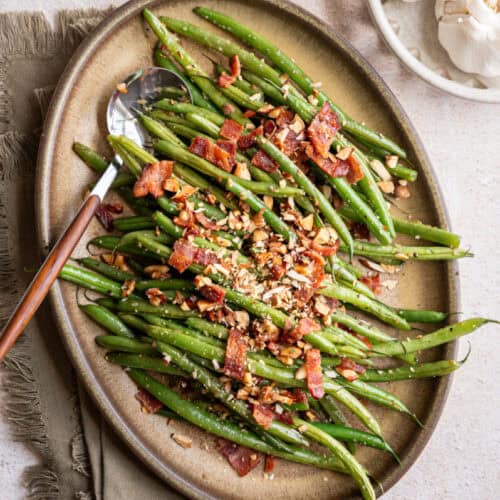
This rich and creamy pasta pairs really well with something fresh or simply prepared on the side. Try serving it with an arugula salad, roasted vegetables, garlic bread, or a simple protein like roasted chicken or shrimp.
For a fall dinner, I especially love pairing it with Brussels sprouts, roasted broccoli, or a crisp salad with apples and a bright vinaigrette.


Frequently Asked Questions
Cacio e pepe is a classic Roman pasta traditionally made with Pecorino Romano cheese, black pepper, pasta, and starchy pasta water. The name essentially means "cheese and pepper." This version adds pumpkin and a little butter for a creamy seasonal variation.
No. Pumpkin pie filling contains sugar and warm spices that won't work in this savory pasta. Look for a can labeled 100% pure pumpkin.
Cacio e pepe is traditionally made with only cheese, pepper, and pasta water. Carbonara includes those ingredients but also adds eggs to the pasta. It is also usually topped with crispy pancetta.

Pumpkin Cacio e Pepe
Ingredients
- 1 pound bucatini or spaghetti
- 3 tablespoons unsalted butter
- 1 teaspoon freshly cracked black pepper plus more for serving
- 1 cup pumpkin puree
- 1 ¼ cups finely grated Pecorino Romano cheese plus more for serving
- 1 ½ cups reserved pasta water as needed
- Crispy sage leaves for serving
Instructions
- Cook the pasta. Bring a large pot of lightly salted water to a boil. Cook the pasta until just shy of al dente. Reserve about 1 ½ cups of the pasta cooking water before draining.
- Toast the black pepper. While the pasta cooks, melt the butter in a large skillet over medium-low heat. Add the freshly cracked black pepper and cook for 30 to 60 seconds, stirring frequently, until fragrant.
- Cook the pumpkin. Add the pumpkin puree to the skillet and cook for 1 to 2 minutes, stirring until smooth and slightly deepened in color. Add ½ cup of the reserved pasta water and stir until combined.
- Add the pasta. Add the drained pasta to the skillet and toss until evenly coated. Cook for about 1 minute, adding another splash of pasta water if needed.
- Add the Pecorino. Remove the skillet from the heat. Add the Pecorino Romano a little at a time, tossing constantly until the cheese melts into a smooth, glossy sauce. Add additional pasta water a few tablespoons at a time as needed until the sauce is silky and coats the pasta.
- Serve. Divide the pasta between bowls and top with additional Pecorino Romano, freshly cracked black pepper, and crispy sage leaves.
Did You Make This Recipe?
Leave a comment below or tag us @tasting.with.tina on Instagram!



Brenda says
This was incredible! I can't wait to make again.
Christina Musgrave says
So glad you liked it!