

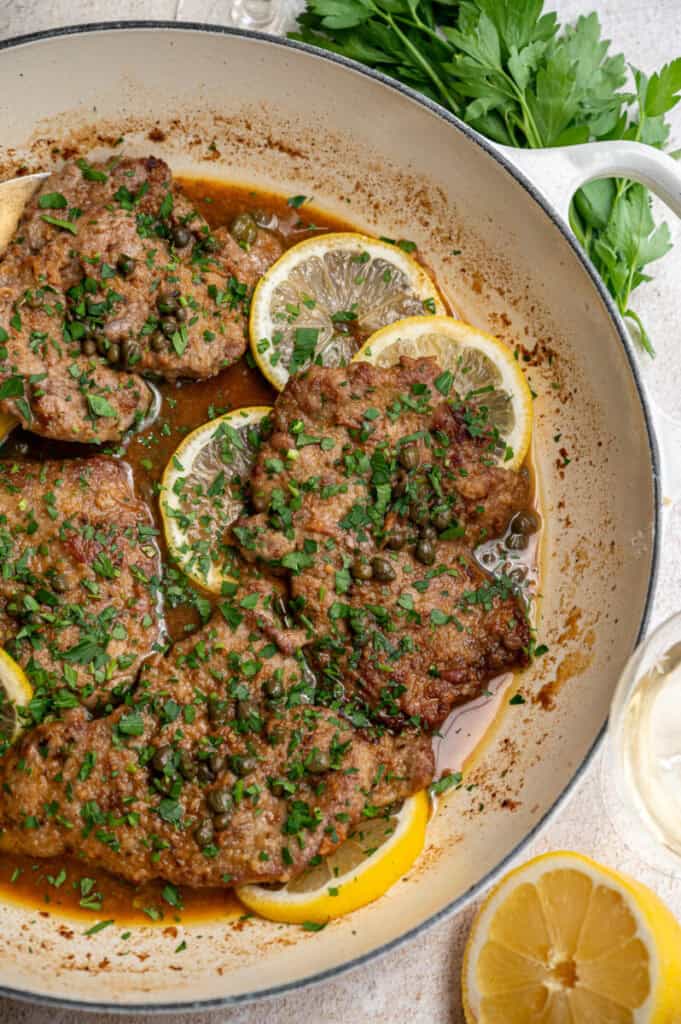
After developing more than 1,000 recipes throughout my career, I've learned that some of the most impressive dinners come down to a simple technique and a really good pan sauce. This Veal Piccata is a perfect example: thin, tender veal cutlets are lightly dredged in flour, quickly seared, and finished in a buttery lemon caper sauce.
When I led my culinary trip to Italy in 2023, one of the things I realized that I love most about Italian cooking is how a short ingredient list can create so much flavor. Here, white wine, fresh lemon juice, capers, chicken broth, and butter turn the browned bits left in the skillet into a bright, silky sauce that makes the entire dish.
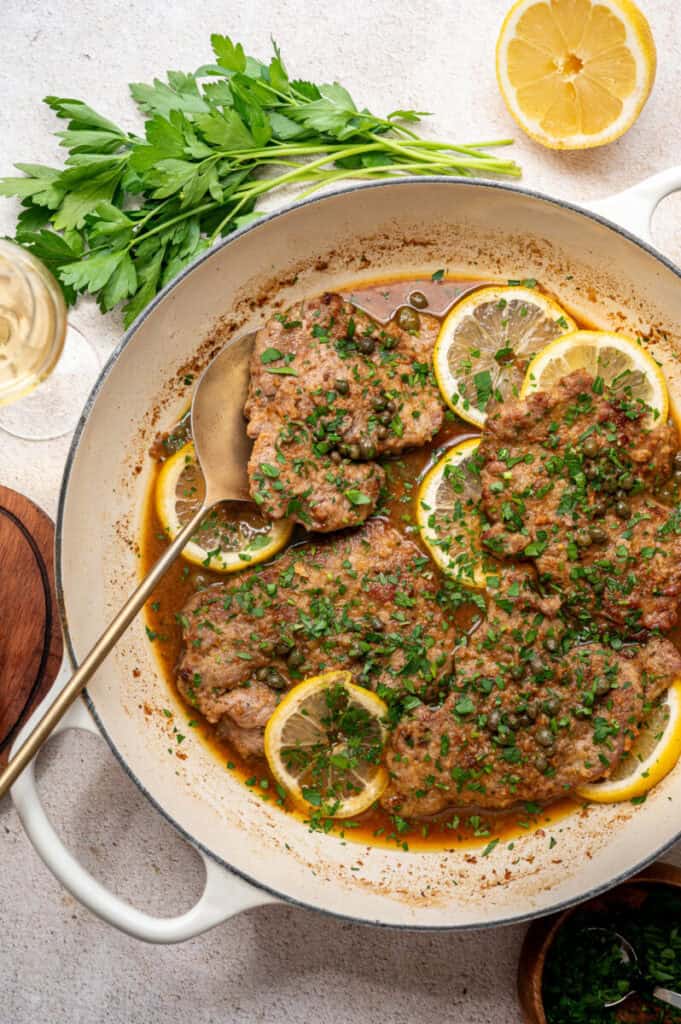
Veal can feel a little intimidating if you haven't cooked it before, but this is actually a great place to start. The cutlets cook in just a few minutes, and most of the work happens in one skillet. Serve the veal over pasta, alongside roasted potatoes, or with a simple vegetable for an easy but elevated Italian-inspired dinner.
For more classic Italian-style weeknight dinners, try my Pork Piccata, Chicken Limone, or Chicken Saltimbocca next.
Jump to:
- Why We Love This Recipe
- What Is Veal Piccata?
- What Kind of Veal Should I Buy?
- Ingredients
- How to Make Veal Piccata
- How to Keep Veal Tender
- How to Balance Piccata Sauce
- Tina's Top Tips
- What to Serve with Veal Piccata
- Substitutions and Variations
- Can You Make Veal Piccata Ahead of Time?
- Storage and Reheating
- Frequently Asked Questions
- Veal Piccata
Why We Love This Recipe
- It's easier than it looks: Veal piccata has an elegant, old-school Italian restaurant feel, but the entire dish comes together in about 25 minutes.
- The sauce is the star: Fresh lemon, capers, white wine, broth, and butter create a bright, savory sauce that you'll want to spoon over everything.
- It's a great introduction to cooking veal: Thin veal cutlets cook quickly and stay tender when they're seared briefly and gently warmed in the sauce.
What Is Veal Piccata?
Veal piccata is an Italian-American dish made with thin veal cutlets that are lightly coated in flour, pan-seared, and served in a lemon caper butter sauce.
The word piccata refers more to the preparation than to one specific protein. Chicken, pork, and veal can all be prepared piccata-style using thin cutlets and a bright pan sauce.
Veal works especially well because its mild flavor lets the lemon, capers, and butter stand out. The finished dish should taste bright and tangy, but also rich enough to balance the acidity. This is one of the most popular dishes here on The Hill - St. Louis' Little Italy (the biggest one in the United States!)
What Kind of Veal Should I Buy?
Look for packages labeled veal cutlets or veal scallopini. These are thin slices of veal designed for quick cooking.
Ideally, the cutlets should be about ¼-inch thick. If they are thicker or uneven, place them between two sheets of parchment paper or plastic wrap and gently pound them with a meat mallet.
The goal is to make the cutlets even, not paper thin. An even thickness helps all of the veal cook at the same rate and prevents some pieces from becoming tough while others finish cooking.
Veal chops are not a good substitute for this recipe because they are much thicker and require a different cooking method.
Ingredients
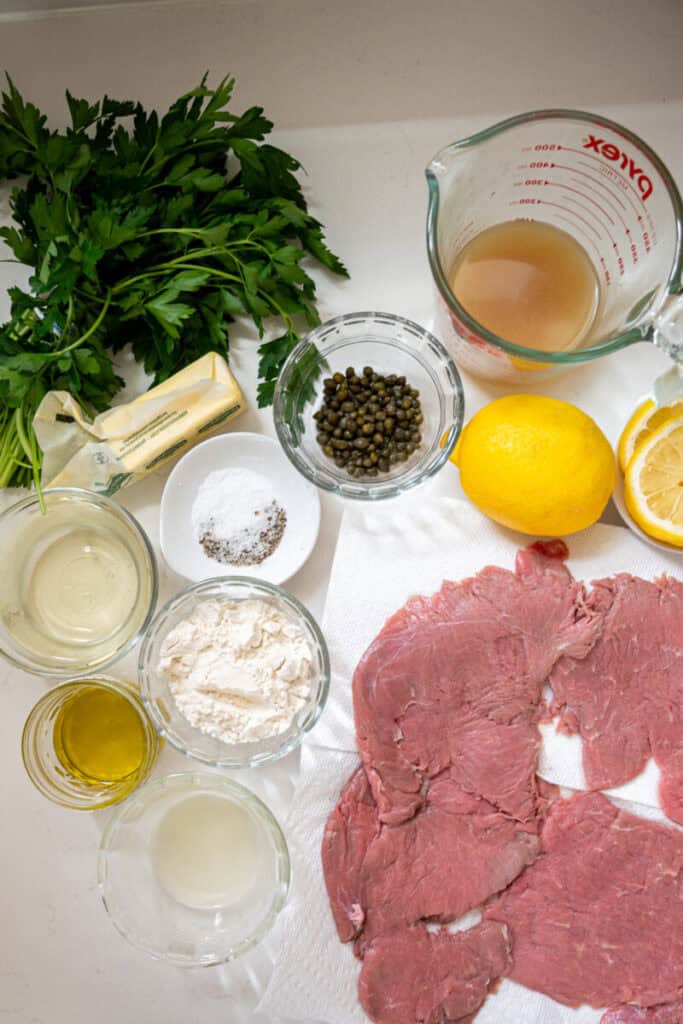
- Veal cutlets: Look for thin veal cutlets or veal scallopini. Gently pound them to an even ¼-inch thickness if needed.
- All-purpose flour: The veal gets a very light flour coating. This helps the outside turn golden and gives the pan sauce a little body.
- Kosher salt: Seasons the veal before it goes into the skillet.
- Black pepper: Adds simple savory flavor without competing with the lemon caper sauce.
- Olive oil: Olive oil raises the cooking point of the butter and helps the veal sear without the butter browning too quickly.
- Unsalted butter: Some of the butter is used for searing, while the rest is whisked into the sauce at the end for a smooth, glossy finish.
- Dry white wine: Use a crisp, dry wine such as Pinot Grigio or Sauvignon Blanc. Avoid sweet white wines.
- Chicken broth: Broth adds body and keeps the sauce from tasting overwhelmingly acidic.
- Fresh lemon juice: Freshly squeezed lemon juice gives piccata sauce its signature brightness.
- Capers: Capers provide the salty, briny bite that balances the butter and lemon.
- Lemon zest: A little zest adds fresh lemon flavor without adding more acidity to the sauce.
- Fresh parsley: Parsley adds color and a clean, fresh finish.
How to Make Veal Piccata
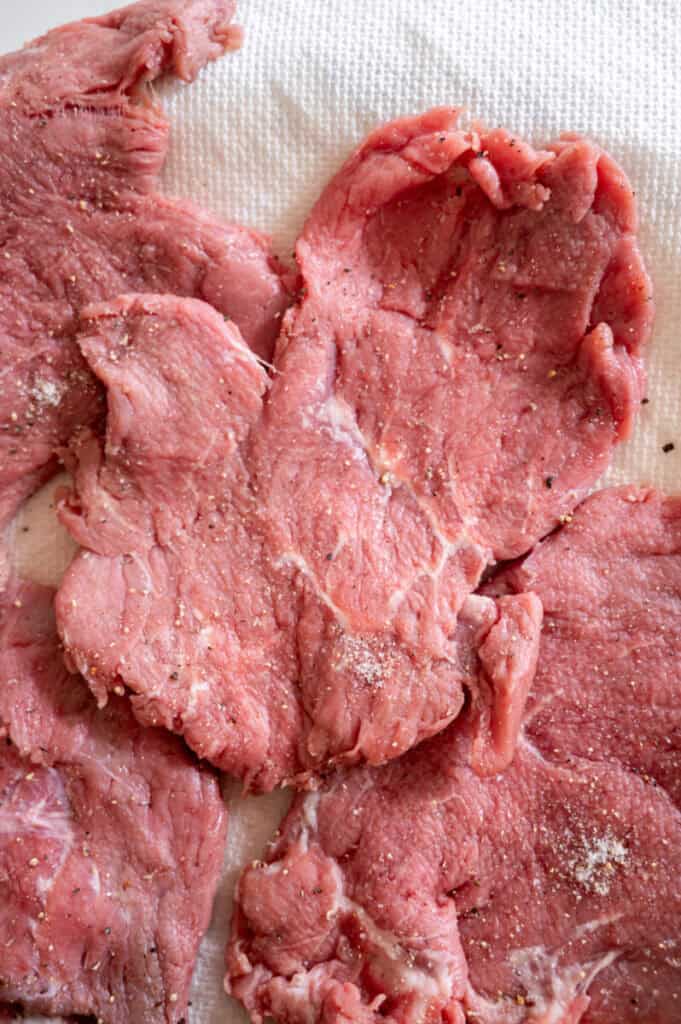
Prepare the veal
Pat the veal cutlets dry with paper towels. If needed, gently pound them to an even ¼-inch thickness. Season both sides of the veal with kosher salt and black pepper.
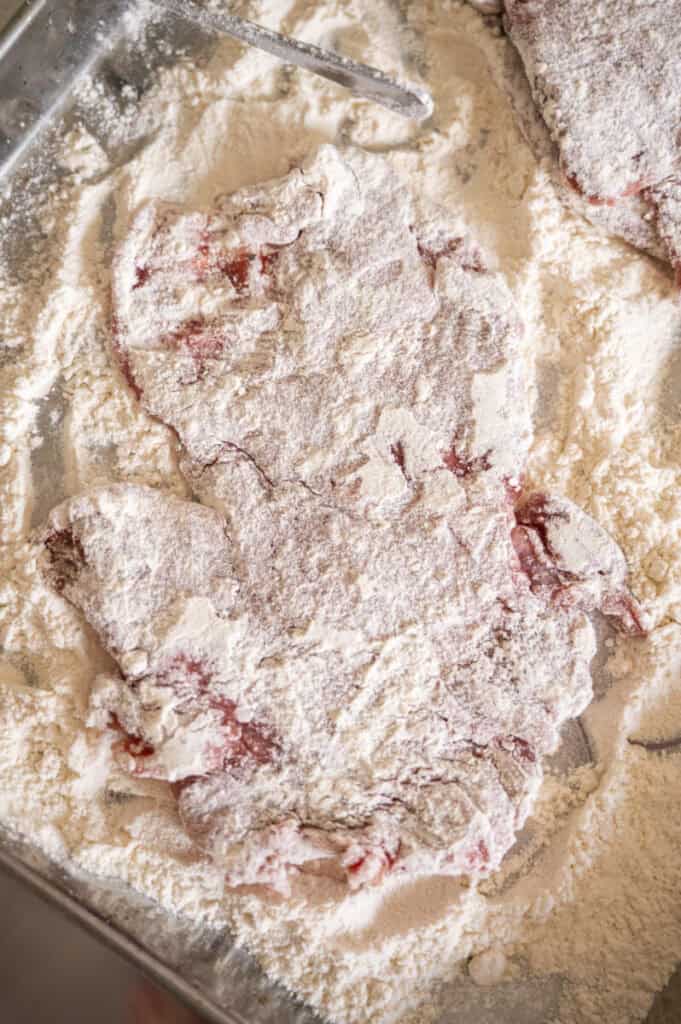
Dredge the veal
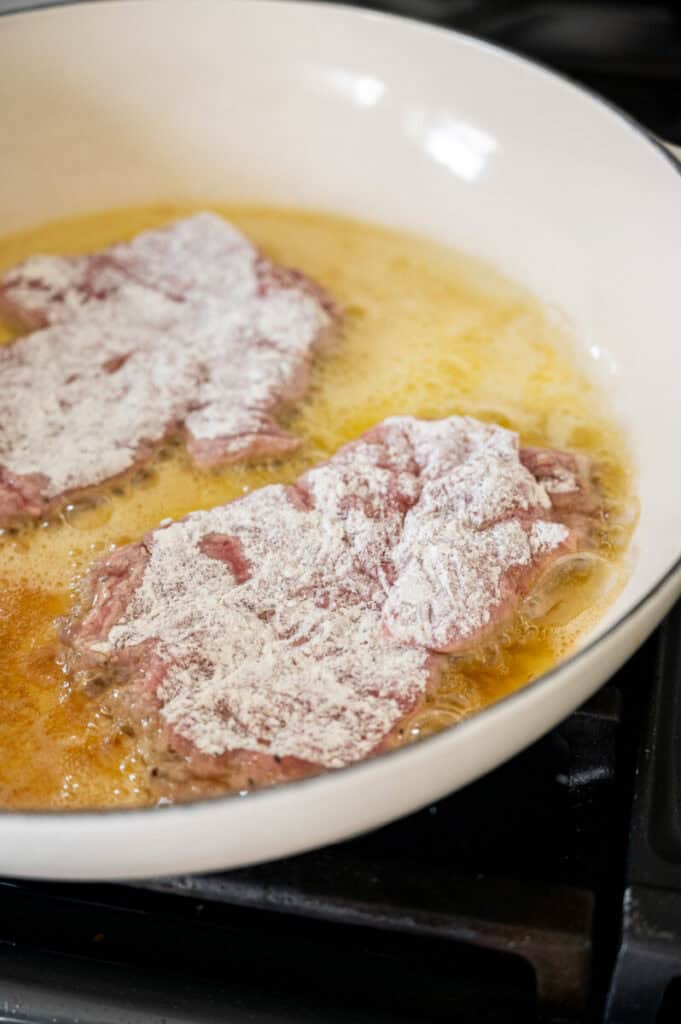
Add the flour to a shallow bowl or plate. Dredge each veal cutlet in the flour, then shake off any excess. This should be a very light coating, not a thick breading. Too much flour can make the pan sauce heavy or gummy.
Sear the veal
Heat the olive oil and 2 tablespoons of butter in a large skillet over medium-high heat.
Add the veal in a single layer and cook for 1-2 minutes per side, until lightly golden. Work in batches if necessary to avoid crowding the skillet.
Transfer the seared veal to a clean plate. It will finish warming through in the sauce later.
Deglaze
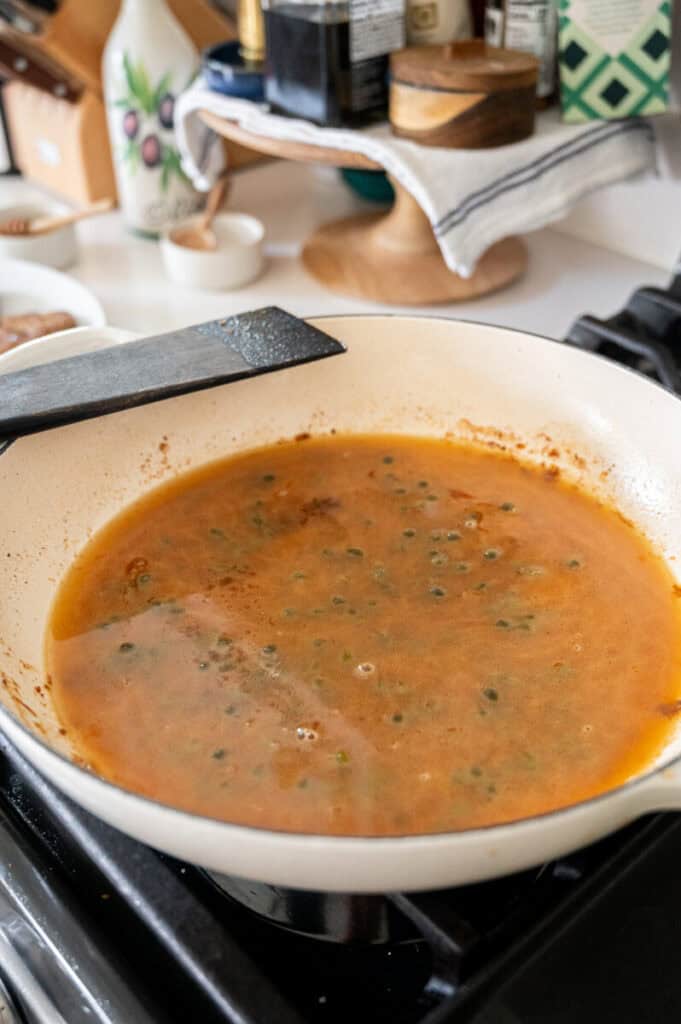
Reduce the heat to medium and carefully add the white wine.
Use a wooden spoon to scrape up the browned bits from the bottom of the skillet. Let the wine simmer for 1-2 minutes so it reduces slightly.
Finish the sauce
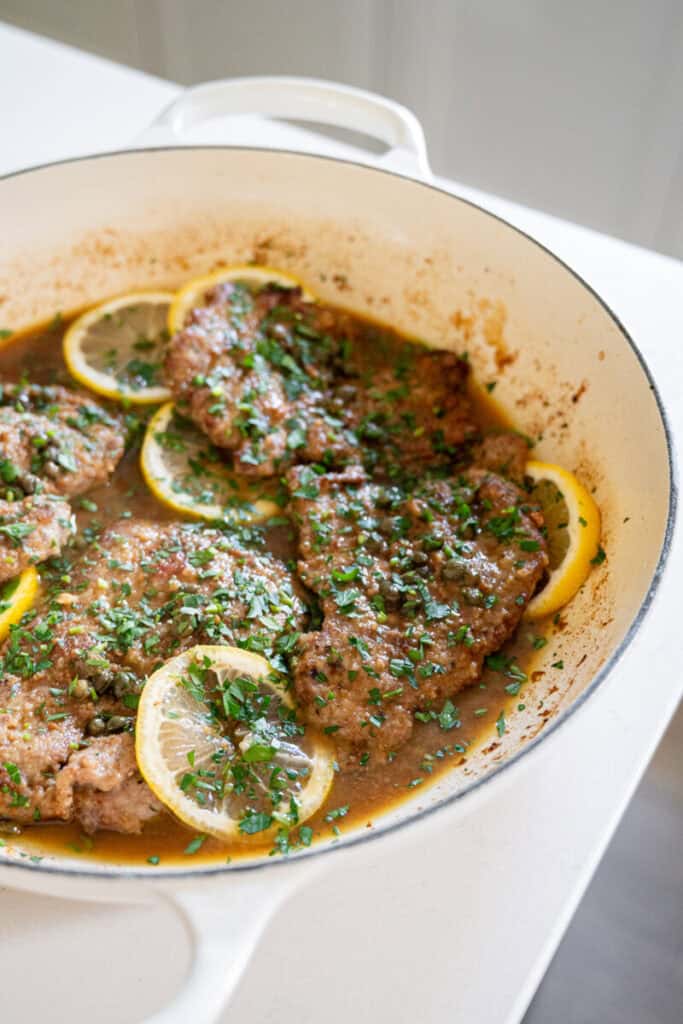
Add the chicken broth, fresh lemon juice, and drained capers. Stir well and simmer for 3-4 minutes, until the sauce has reduced slightly.
Reduce the heat to low. Whisk in the remaining 2 tablespoons of butter until melted and incorporated.
Taste the sauce before adding the veal. If it tastes too sharp, whisk in an
Serve
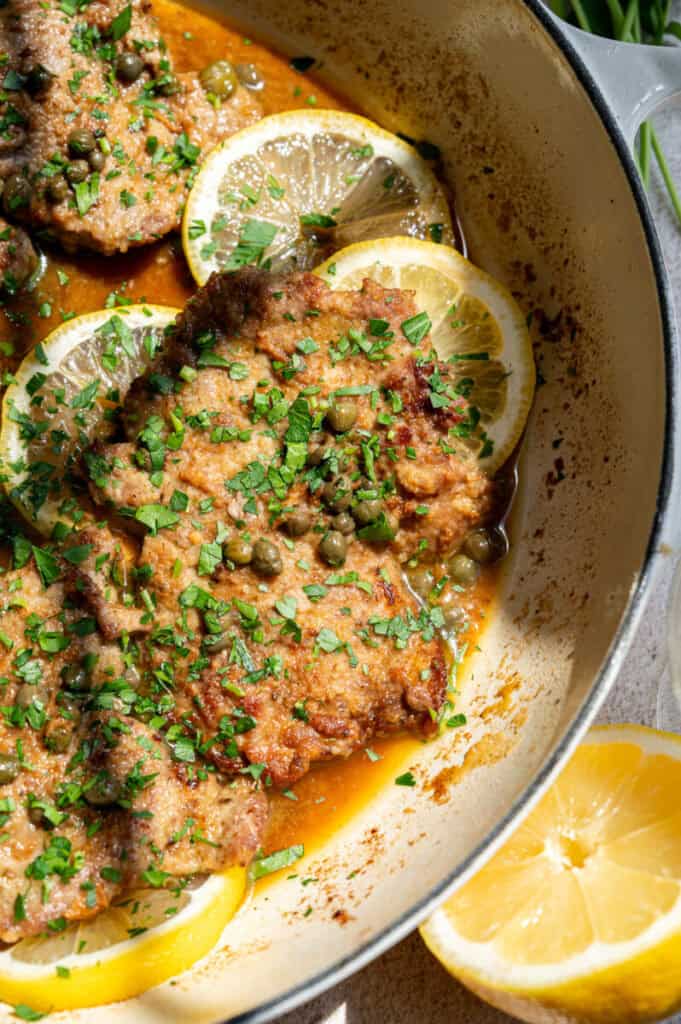
Add the veal back to the skillet and spoon the lemon caper sauce over the top.
Let the cutlets warm through for about 1 minute. Avoid simmering them for too long, which can make the veal tough.
Finish with lemon zest and fresh parsley, then serve immediately.
How to Keep Veal Tender
Veal cutlets are naturally tender, but because they are so thin, they can quickly become tough when overcooked.
For the best results, keep these tips in mind:
- Pound the veal to an even thickness so every cutlet cooks at the same rate.
- Let the skillet heat before adding the veal.
- Cook in batches rather than overcrowding the pan.
- Sear the cutlets for only 1-2 minutes on each side.
- Warm the veal briefly in the finished sauce rather than letting it simmer.
- Serve the dish right away.
If the veal comes out tough, the most likely cause is that it cooked too long.
How to Balance Piccata Sauce
A good piccata sauce should be lemony and bright, but it shouldn't taste aggressively sour. The butter, broth, wine, lemon, and capers should all feel balanced.
- If the sauce is too sharp: Whisk in another small pat of butter or add a splash of broth.
- If the sauce tastes flat: Add a pinch of salt, a little more lemon juice, or a spoonful of caper brine.
- If the sauce is too thin: Let it simmer for another minute before whisking in the final butter.
- If the sauce is too thick: Add a splash of chicken broth and stir until it reaches a spoonable consistency.
Keep in mind that capers vary in saltiness, so it's best to taste the finished sauce before adding extra salt.
Tina's Top Tips
- Use a large skillet so the veal has enough room to brown instead of steam.
- Have the sauce ingredients measured before you begin cooking. The veal cooks quickly, and the sauce moves fast once the wine hits the skillet.
- Shake off as much excess flour as possible before searing.
- Use fresh lemon juice rather than bottled. Since lemon is one of the main flavors in the dish, fresh makes a noticeable difference.
- Add the final butter over low heat. High heat can cause the sauce to separate instead of turning smooth and glossy.
What to Serve with Veal Piccata
Veal piccata is best served with something that can catch the extra lemon caper sauce. Pasta, potatoes, rice, and crusty bread all work well.
You can also keep the meal very simple with sautéed spinach, roasted asparagus, steamed green beans, or a crisp green salad.
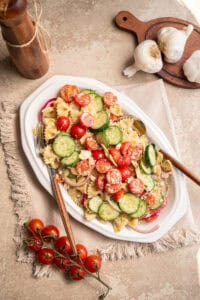
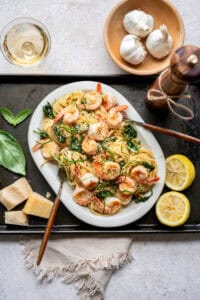
For a complete dinner, try one of these recipes:


Substitutions and Variations
- Use chicken: Substitute thin chicken cutlets and cook until they reach an internal temperature of 165°F.
- Use pork: Thin pork cutlets also work well with this lemon caper sauce.
- Make it without wine: Replace the wine with additional chicken broth. Add a small splash of white wine vinegar if the finished sauce needs more acidity.
- Add garlic: Sauté 1 minced garlic clove for about 30 seconds before adding the wine. Garlic isn't essential to classic piccata, but it is a delicious variation.
- Add more capers: Use an additional tablespoon of capers if you prefer a more pronounced briny flavor.
- Make it extra lemony: Finish the dish with additional lemon zest rather than significantly increasing the lemon juice, which can make the sauce too acidic.
Can You Make Veal Piccata Ahead of Time?
- Veal piccata is best cooked and served right away because the thin cutlets can become tough when reheated.
- You can still do most of the preparation ahead of time. Pound and season the veal, measure the sauce ingredients, drain the capers, zest the lemon, and chop the parsley earlier in the day.
- Wait to dredge and cook the veal until just before serving. Once the flour coating sits for too long, it can become sticky instead of creating a light golden crust.
Storage and Reheating
- Store leftover veal and sauce together in an airtight container in the refrigerator for up to 3 days.
- Reheat the veal gently in a covered skillet over low heat. Add a splash of chicken broth to loosen the sauce and prevent it from reducing too much.
- Try to heat the veal only until warmed through. Prolonged reheating can make the cutlets tough.
- I do not recommend freezing veal piccata. The butter sauce may separate when thawed, and the texture of the thin veal cutlets is best when fresh.
Frequently Asked Questions
Thin veal cutlets or veal scallopini are the best choices. They are tender and cook quickly in a skillet.
Only pound the veal if the cutlets are thicker than ¼ inch or uneven. Some veal scallopini is already thin enough to cook as-is.
Draining the capers is usually enough. If your capers taste especially salty or vinegary, rinse them briefly and pat them dry before adding them to the sauce.

Veal Piccata
Ingredients
- ¾ pound veal cutlets or veal scallopini
- ½ cup all-purpose flour
- ¾ teaspoon kosher salt
- ½ teaspoon black pepper
- 2 tablespoons olive oil
- 4 tablespoons unsalted butter divided
- ¼ cup dry white wine
- ½ cup chicken broth
- 2 tablespoons fresh lemon juice
- 2 tablespoons capers drained
- 2 tablespoons chopped fresh parsley for serving
Instructions
- Prepare the veal: Pat the veal cutlets dry. If needed, gently pound them to about ¼-inch thick. Season both sides with salt and pepper.
- Dredge the veal: Add the flour to a shallow bowl. Dredge each piece of veal in the flour, shaking off any excess.
- Sear the veal: Heat the olive oil and 2 tablespoons of butter in a large skillet over medium-high heat. Add the veal in a single layer and cook for 1-2 minutes per side, until lightly golden. Work in batches if needed. Transfer to a plate.
- Make the sauce: Reduce the heat to medium. Add the white wine, scraping up any browned bits from the pan. Simmer for 1-2 minutes, then add the chicken broth, lemon juice, and capers.
- Finish the dish: Simmer the sauce for 3-4 minutes, until slightly reduced. Reduce the heat to low and whisk in the remaining 2 tablespoons of butter. Add the veal back to the pan and spoon the sauce over the top.
- Serve: Top with fresh parsley. Serve immediately.
Notes
- Use thin veal cutlets or scallopini for the most tender results.
- Shake off the excess flour before searing so the coating stays light and the sauce doesn't become gummy.
- If the sauce tastes too sharp, whisk in another small pat of butter.
- If the sauce reduces too much, add a splash of chicken broth before returning the veal to the skillet.
- For a wine-free version, replace the white wine with additional broth and add a small splash of white wine vinegar.
Did You Make This Recipe?
Leave a comment below or tag us @tasting.with.tina on Instagram!

Leave a Reply